Golf evolution: From St Andrews to the modern culture of the game
Golf evolution is not just a story of better scores or longer drives; it is a layered cultural transformation that links dunes and fairways to changing tools, clubs, institutions and public imagination. The contours of that story begin on the Links at St Andrews — the place often called the “Home of Golf” — and spread outward across the architecture of courses, the chemistry of balls and shafts, and the social structures that turned a local pastime into a global sport.
Quick summary: St Andrews established key course conventions and strategic thinking; ball and club technology progressed through feathery, gutta-percha and Haskell eras to modern materials; the Royal and Ancient and municipal stewardship shaped social status; professional tours and course modifications preserved competitive challenge.
Historical starting point: St Andrews and the 18-hole standard
The Links at St Andrews provides the clearest grounding for any account of golf evolution. Played on that ground since at least the early 15th century, the Old Course accumulated rules, routing habits and local conventions over centuries rather than arriving fully formed. One of the decisive moments came in 1764 when St Andrews consolidated play into 18 holes, a configuration that later became a global standard. The Old Course’s development was gradual and collaborative: it was not the product of a single architect but the layered work of greenkeepers and figures such as Daw Anderson in the 1850s and the long influence of Old Tom Morris in the 19th century.
What the game looked like then: landscape, routing and strategic language
On seaside links like St Andrews, wind, shared fairways and natural bunkers produced a design language grounded in strategic choice. The Old Course did not depend on forced carries or artificial traps alone; its strategic holes and double greens taught golfers to think about angle, par savability and the use of ground game. That language—risk, reward, and tolerance for variability—became a model architects and players used elsewhere.
Key shifts that changed golf
Several converging shifts drove the sport from local pastime to modern culture. First, the codification of clubs and rules around institutions such as the Royal and Ancient Golf Club of St Andrews (founded in the 18th century) created authoritative governance. Second, equipment technology advanced in stages that reshaped play: the old leather-and-feather “feathery” ball gave way to the gutta-percha or “gutty” around the mid-19th century, and later to wound-rubber Haskell balls in the late 19th century; each change altered distance, durability and shot-making possibilities. Third, the professionalisation and organization of tours in the 20th century turned elite competition into structured circuits, prompting courses to alter and lengthen in response to better equipment and player ability.
Courses, equipment and culture: an intertwined evolution
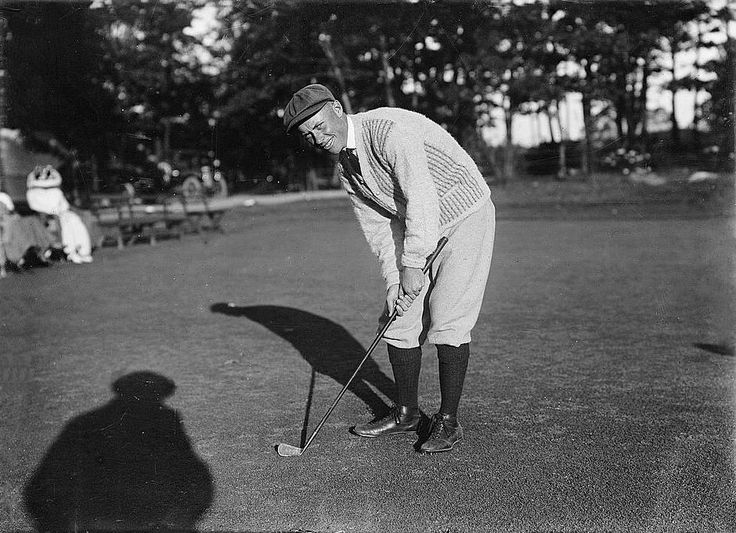
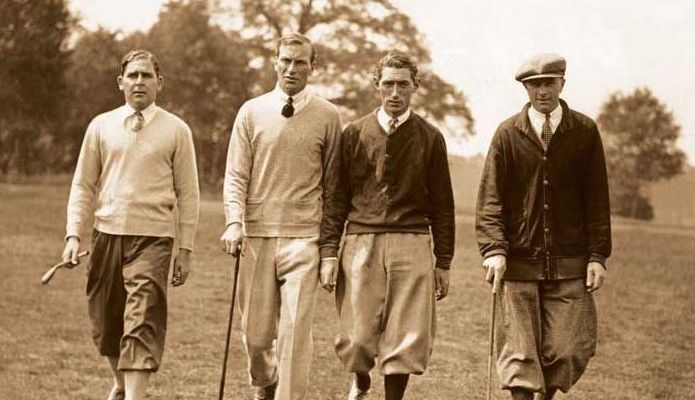
The interplay between what courses demanded and what equipment allowed is central to understanding golf evolution. As ball and club materials moved from featheries and wooden-shafted clubs toward gutta-percha, Haskell wound cores and later synthetic covers and shafts, shot values changed. Designers learned from St Andrews’ strategic principles—use of contours, angles and hazard placement—and applied them alongside new manufacturing realities. At the same time, social structures shifted: golf’s association with clubs and elite society (for example the prominence of the Royal and Ancient) gradually coexisted with municipal stewardship of linkslands and broader public participation, altering who had access to the game and how courses were managed.
The people and institutions that drove change
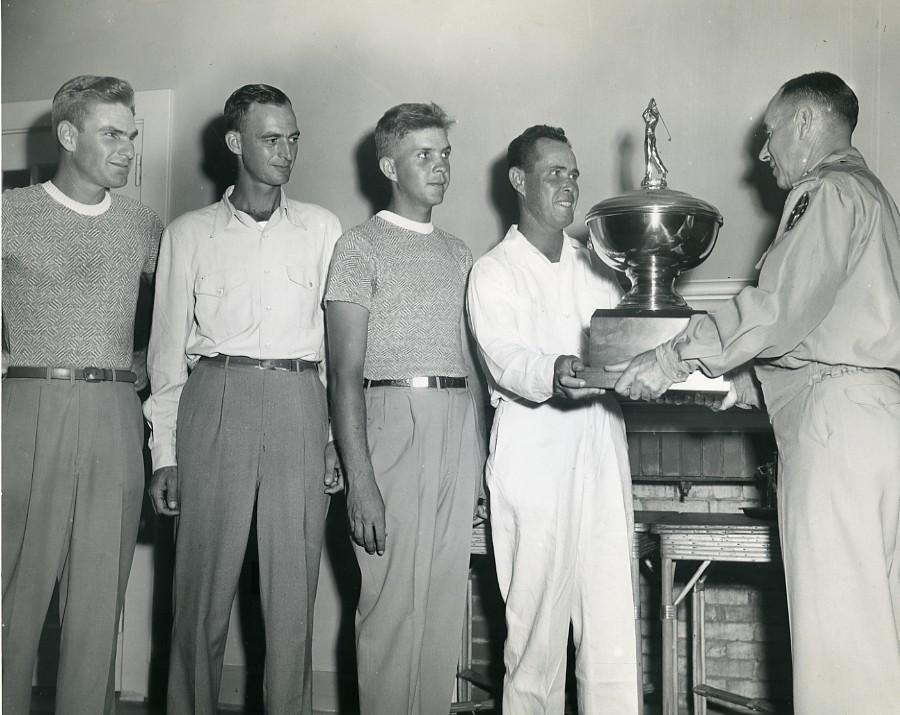
Institutions with deep historical roots performed a double role: they preserved traditions and formalized the sport. The Royal and Ancient’s early role in codifying rules and matchplay customs established standards that spread beyond Scotland. Influential greenkeepers and early designers at St Andrews—figures whose work evolved across decades rather than through single blueprints—shaped practical stewardship and strategic thinking that later architects such as Alister Mackenzie cited as formative. Meanwhile, the rise of national and international competitive circuits in the 20th century provided incentives for both equipment makers and course custodians to adapt.
How that legacy still survives today
Many visible features of contemporary golf trace back to those layered developments. The 18-hole round remains the default because of St Andrews’ early standardization. Strategic architectural ideas—angles, bailout options, contour-driven tactics—continue to shape both new builds and restorations. Equipment evolution still prompts course change: the same logic that led clubs to lengthen or restore holes ahead of championship play continues as governing bodies and clubs seek to preserve challenge in the face of technological change. Institutional stewardship balances history and modernity, with public links trusts and historic clubs maintaining different but complementary roles.
Why golf history remains visually compelling
Visually, golf’s past anchors the present. Rolling dune lines, ancient bunkers, shared fairways and weathered clubhouses read as cultural artifacts more than mere features. That visual continuity helps explain why restorations aim to recover strategic intent at courses like St Andrews rather than only updating for length. For players and spectators, these landscapes offer an accessible continuity: a round still asks for the same decisions—route, club, shot shape—that mattered centuries ago, even if the equipment and stakes have changed.
Closing interpretation: continuity, change and cultural meaning
Golf evolution is best understood as a conversation between place and process. St Andrews provided a persistent reference point—an accumulation of play, management and design that defined important norms. Equipment advances and the growth of organized tours forced courses and institutions to respond; that tension between heritage and adaptation is the living dynamic of the game. Today’s golfers step into landscapes shaped by old decisions and modern responses, carrying forward strategic lessons that remain visually and practically meaningful. In that sense, golf’s cultural evolution is not a straight line but a layered palimpsest where past and present inform one another.
Author: {Alex R.}